-
 play_arrow
Focus Fm For Us
-
play_arrow
The Morning Plug with Joe Eveline from Emerald Spa & Wellness Inteview Joe
-
play_arrow
Business Lounge Namibian Standards Institution Interview Janet
-
play_arrow
The Morning Plug with Joe Bipa Inteview Joe


music_note


Hormone-Disruptive Chemicals Found in Sanitary Pads and Pantyliners
By: Eugenia Kautotwa
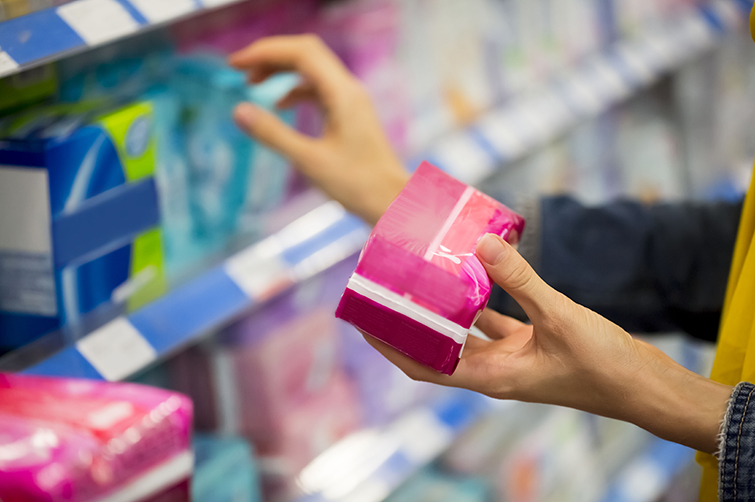
A recent investigation by the University of the Free State (UFS) has uncovered the presence of endocrine-disrupting chemicals (EDCs) in menstrual hygiene products sold in South Africa. The study tested 16 popular brands of sanitary pads and eight types of pantyliners, revealing that all products contained at least two types of EDCs, such as phthalates, parabens, and bisphenols. These chemicals, known for their ability to interfere with hormonal systems, were found even in products marketed as “chemical-free” or “organic.” The findings, published in Science of the Total Environment in February 2026, have raised serious health concerns and prompted the National Consumer Commission (NCC) to investigate nine suppliers of these products.
The discovery of these chemicals is particularly alarming because of how easily they can be absorbed through the vaginal mucosa. Unlike the skin, the vaginal lining is highly permeable, with many blood vessels and no protective outer layer, allowing chemicals to bypass the liver’s filtering system and enter the bloodstream directly. This increases the risk of internal exposure to these harmful substances. The chemicals detected such as phthalates, parabens, and bisphenols are associated with various health risks. They can mimic natural hormones like estrogen, disrupting normal hormonal functions and leading to irregular menstrual cycles, early puberty in girls, and thyroid imbalances that affect metabolism and energy levels.
The long-term health risks linked to these chemicals are significant. Prolonged exposure has been associated with reproductive issues, including infertility, and conditions such as Polycystic Ovary Syndrome (PCOS) and endometriosis. There is also concern about increased risks of pregnancy complications like preterm birth and developmental issues in babies. Beyond reproductive health, some of these chemicals are classified as potential carcinogens. Over time, ongoing exposure may increase the risk of breast cancer, due to their estrogenic effects, and there are also links to ovarian and uterine cancers.
The investigation also identified specific brands of sanitary pads that contained higher levels of these hazardous chemicals. These include popular brands such as Kotex, Always, Stayfree, Carefree, Comfitex, Simple One, Organics Africa, and various house brands from retailers like Pick n Pay and Shoprite/Checkers. The presence of EDCs in these products underscores the urgent need for stricter regulation and transparency in labeling to ensure consumer safety.
In addition to internal health risks, these chemicals can cause immediate physical reactions. Many women report experiencing irritation, rashes, itching, and burning sensations in the pelvic area after using these products. Furthermore, chemical exposure can disrupt the natural balance of the vaginal microbiome, increasing susceptibility to infections such as yeast overgrowth and bacterial vaginosis.
The findings of the UFS study reveal a critical regulatory gap, as current standards tend to prioritize the absorbency and efficacy of menstrual products over their chemical safety. This situation leaves women vulnerable to long-term health issues. Activists are now advocating for the enactment of a Menstrual Health Rights Bill to improve safety standards and ensure clear labeling and regulation of menstrual hygiene products. The ongoing NCC investigation represents a crucial step toward safeguarding women’s health and guaranteeing access to genuinely safe, chemical-free menstrual products.


-
Community Juncture Janet
This is where we express ourselves and interact through sharing of advice, vacant job opportunities, and giving gratitude to those around us who take on selfless acts for the greater good of others. The focal point of the show is to thoroughly outline and address the diverse matters affecting us as a community.
close

Post comments (0)